
Bandiere del mondo nel 1600
Tutte le 33 bandiere, ognuna con il suo nome. Quando le conosci, mettiti alla prova con il quiz.
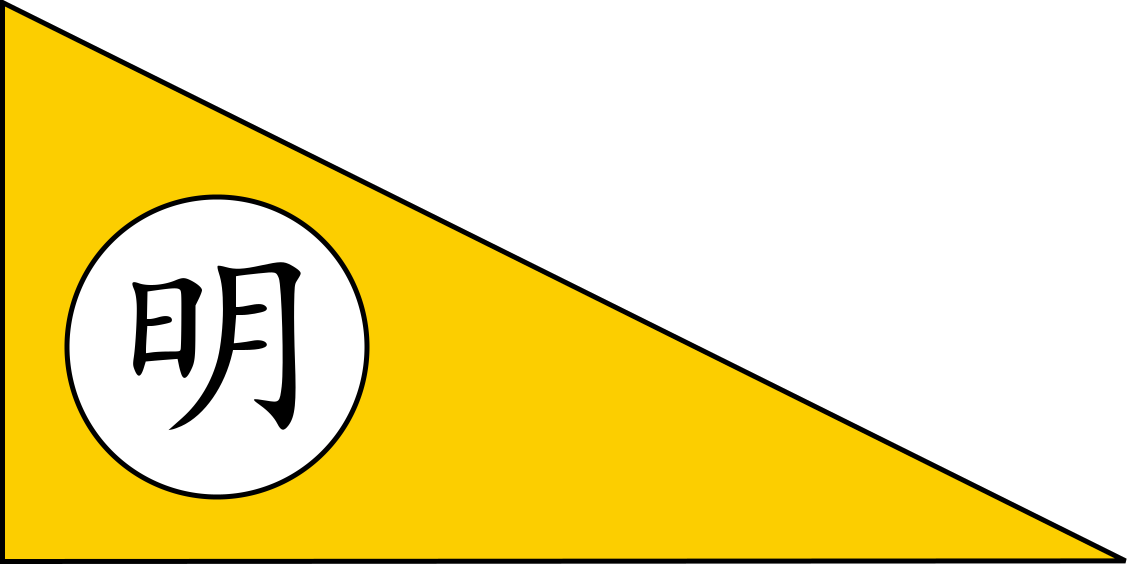
Cina Ming 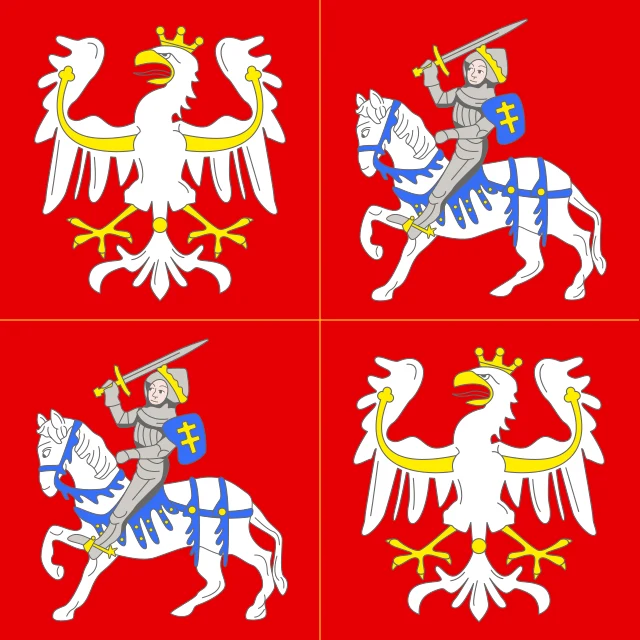
Confederazione polacco-lituana 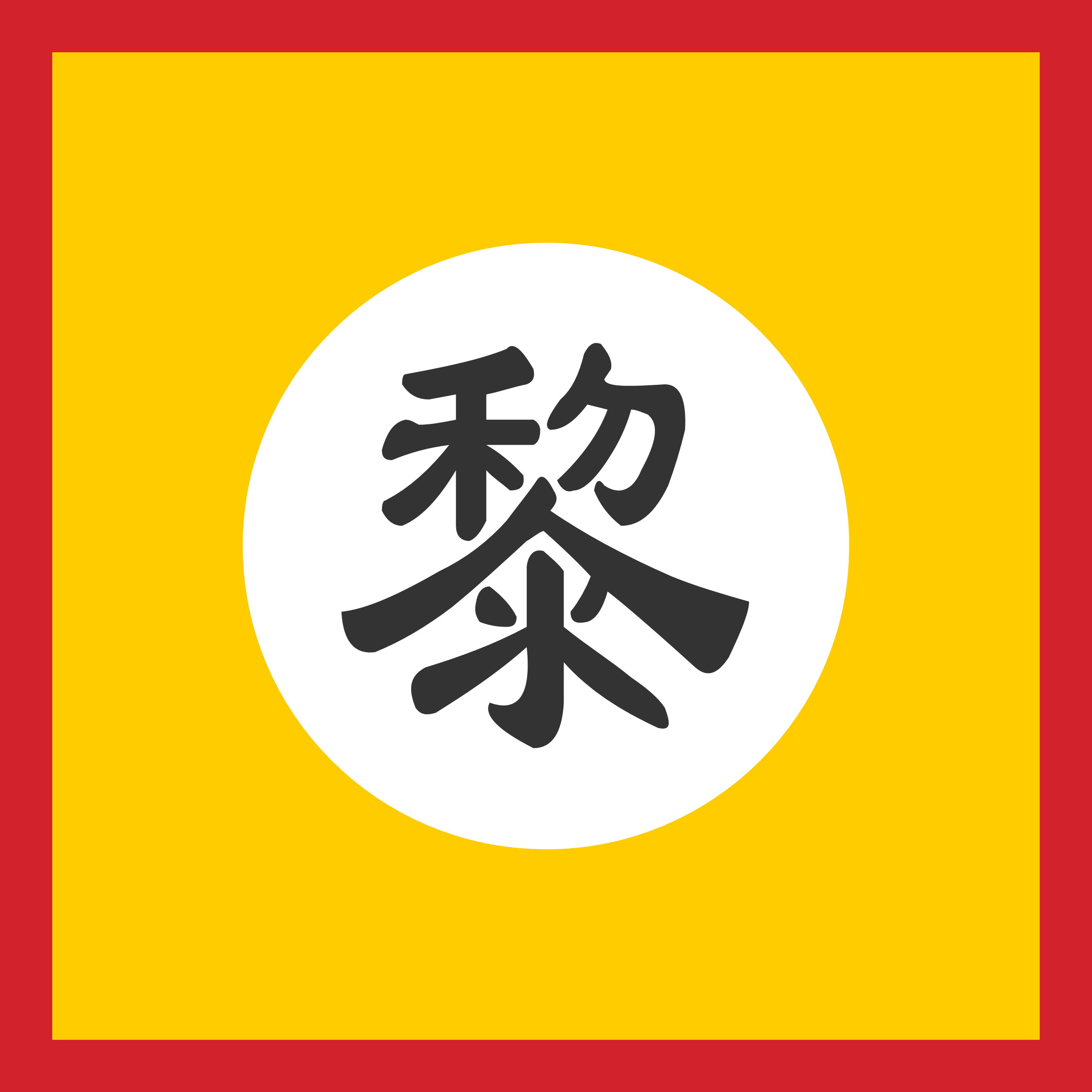
Đại Việt 
Danimarca-Norvegia 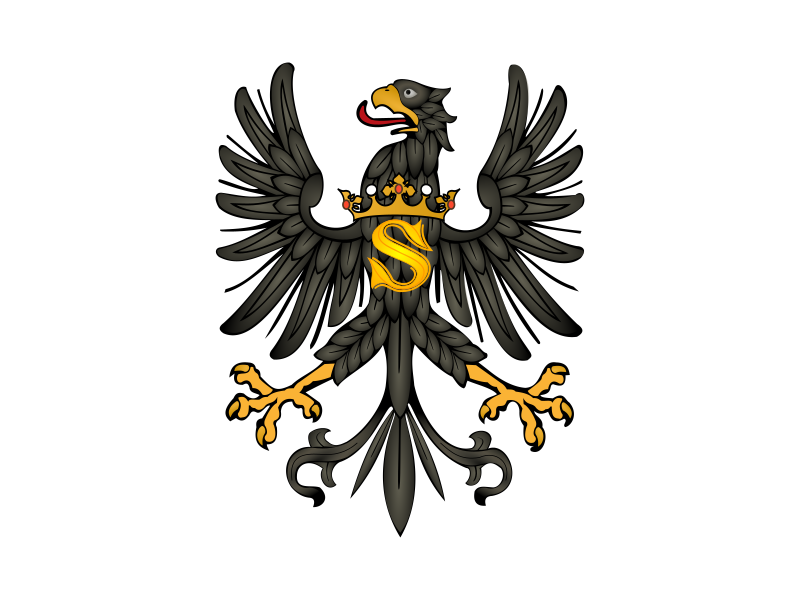
Ducato di Prussia 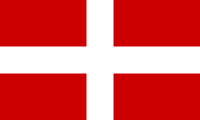
Ducato di Savoia 
Giappone 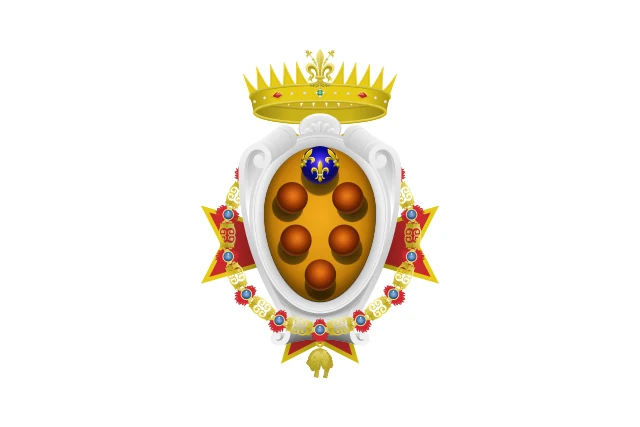
Granducato di Toscana 
Impero Kanem-Bornu 
Impero Moghul 
Impero ottomano 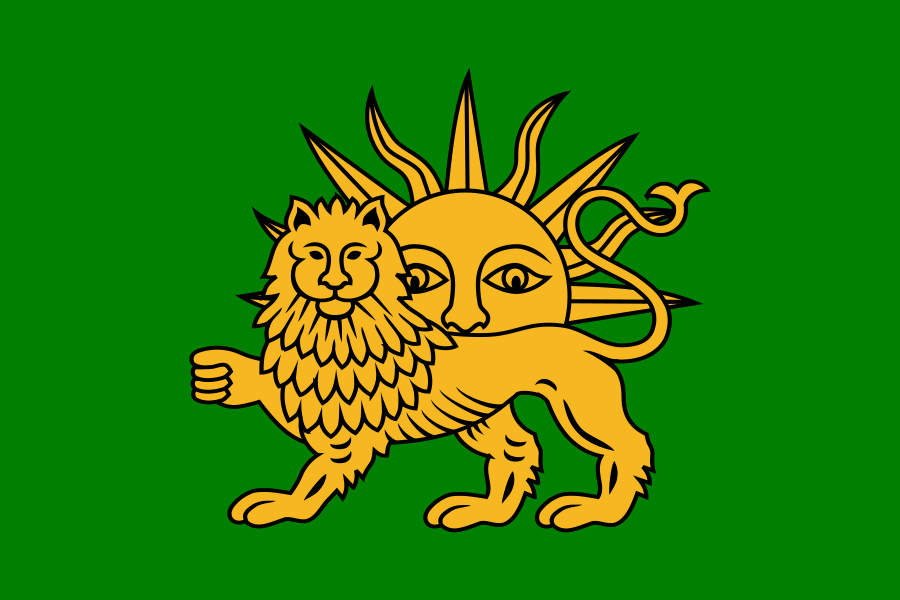
Impero safavide 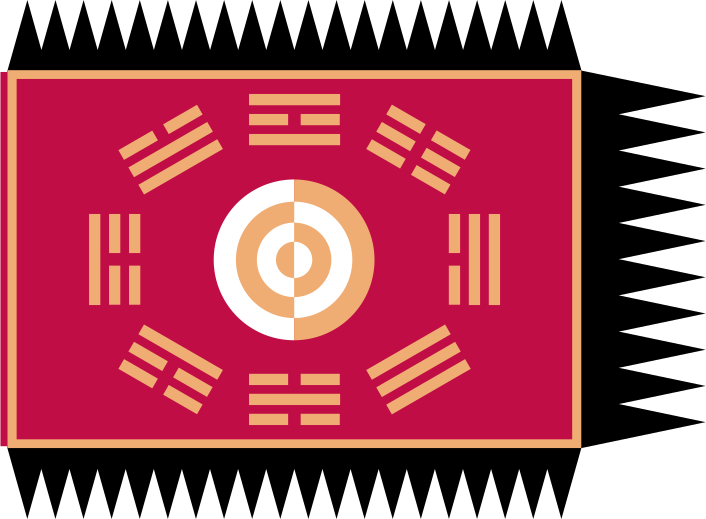
Joseon (Corea) 
Khanato di Crimea 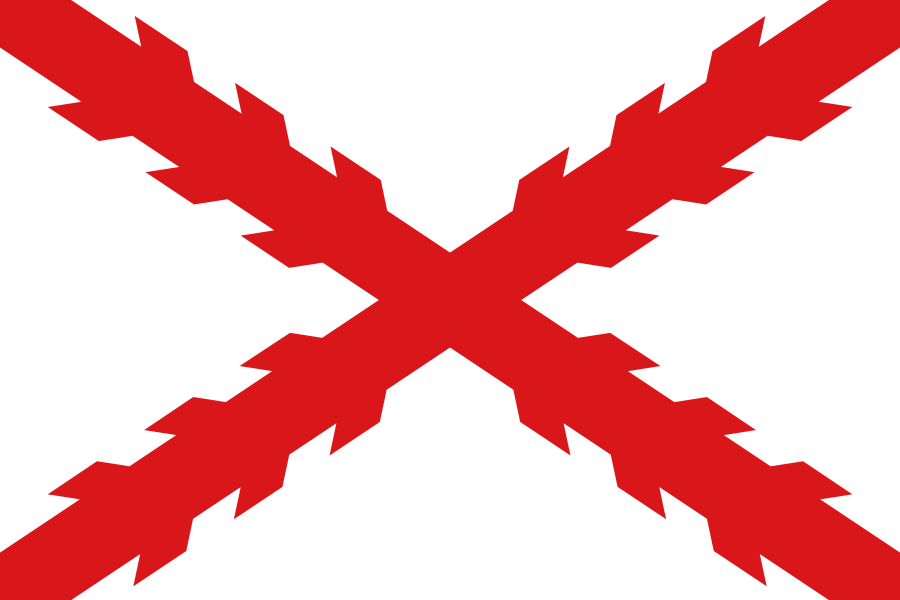
Monarchia spagnola 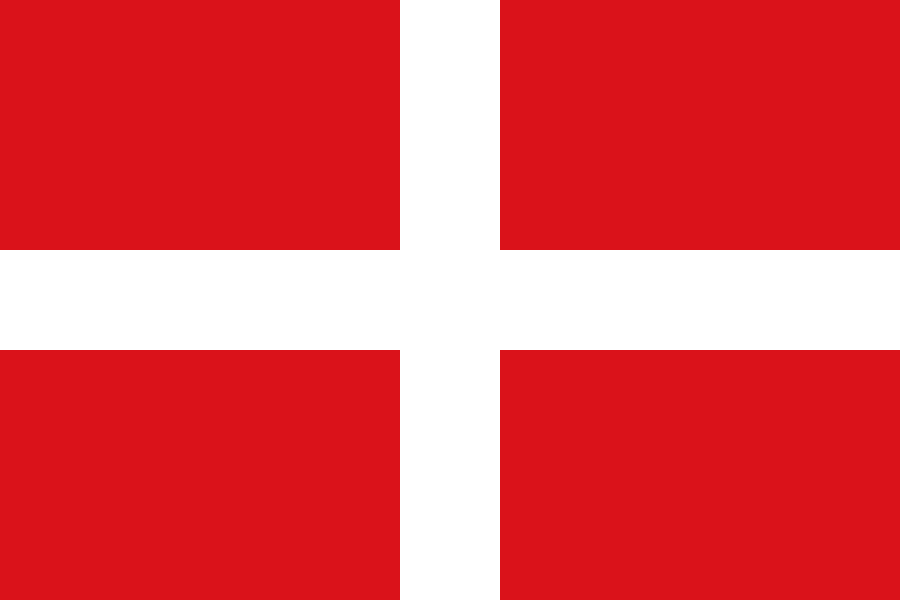
Ordine di Malta 
Province Unite 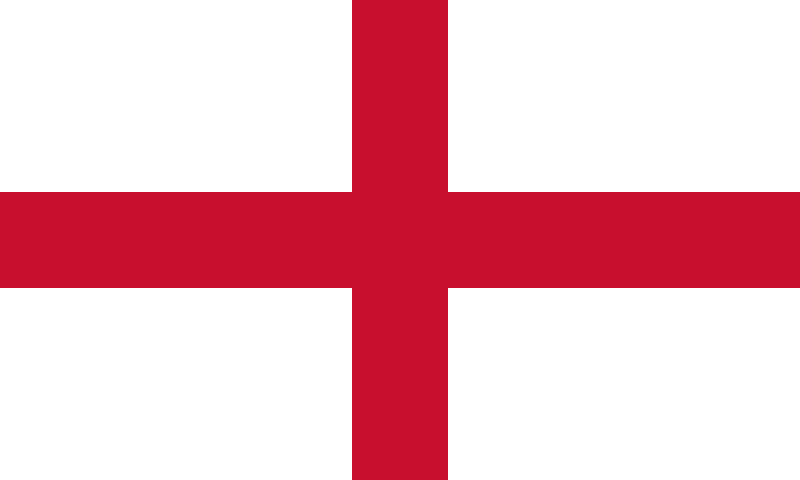
Regno d'Inghilterra 
Regno di Ayutthaya 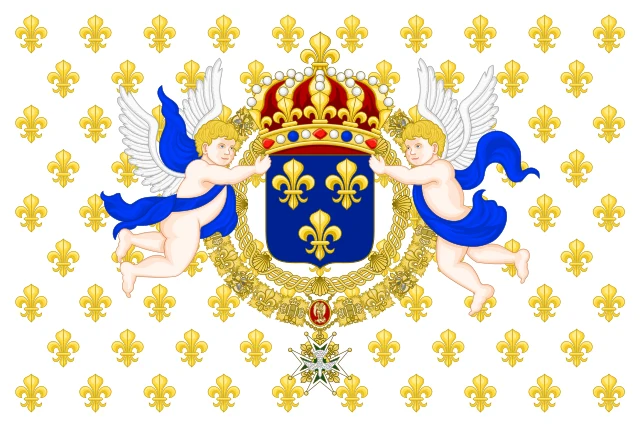
Regno di Francia 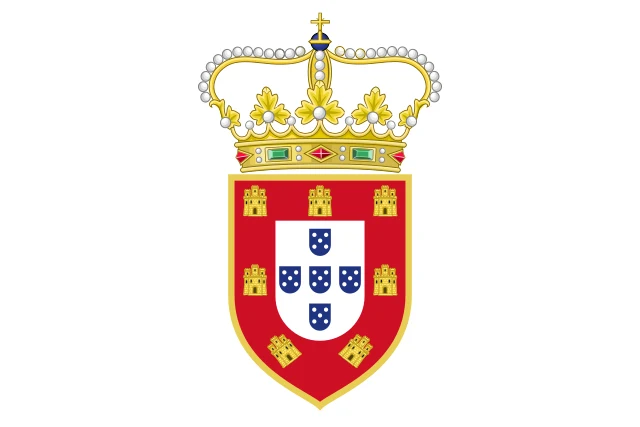
Regno di Portogallo 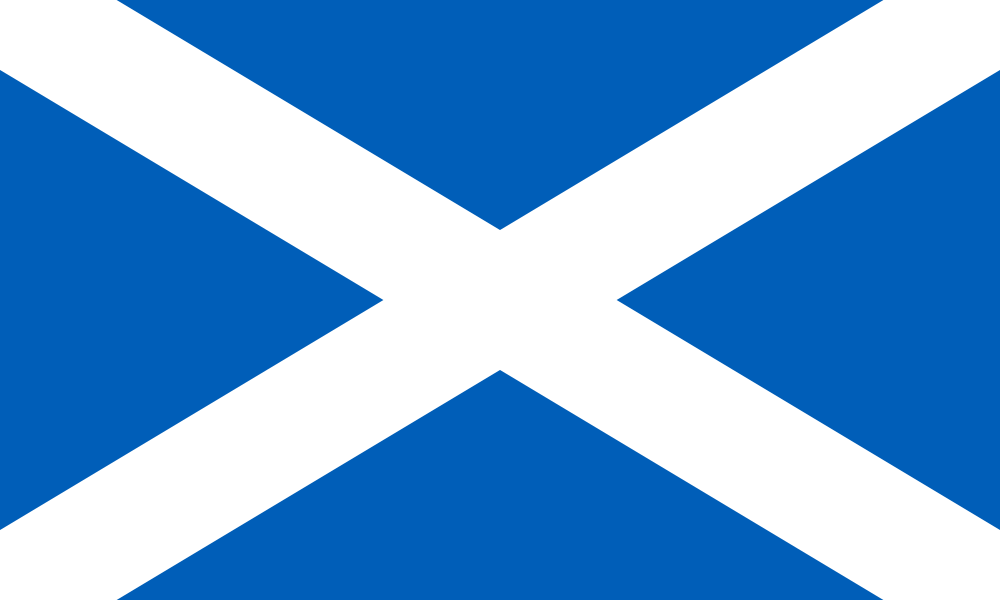
Regno di Scozia 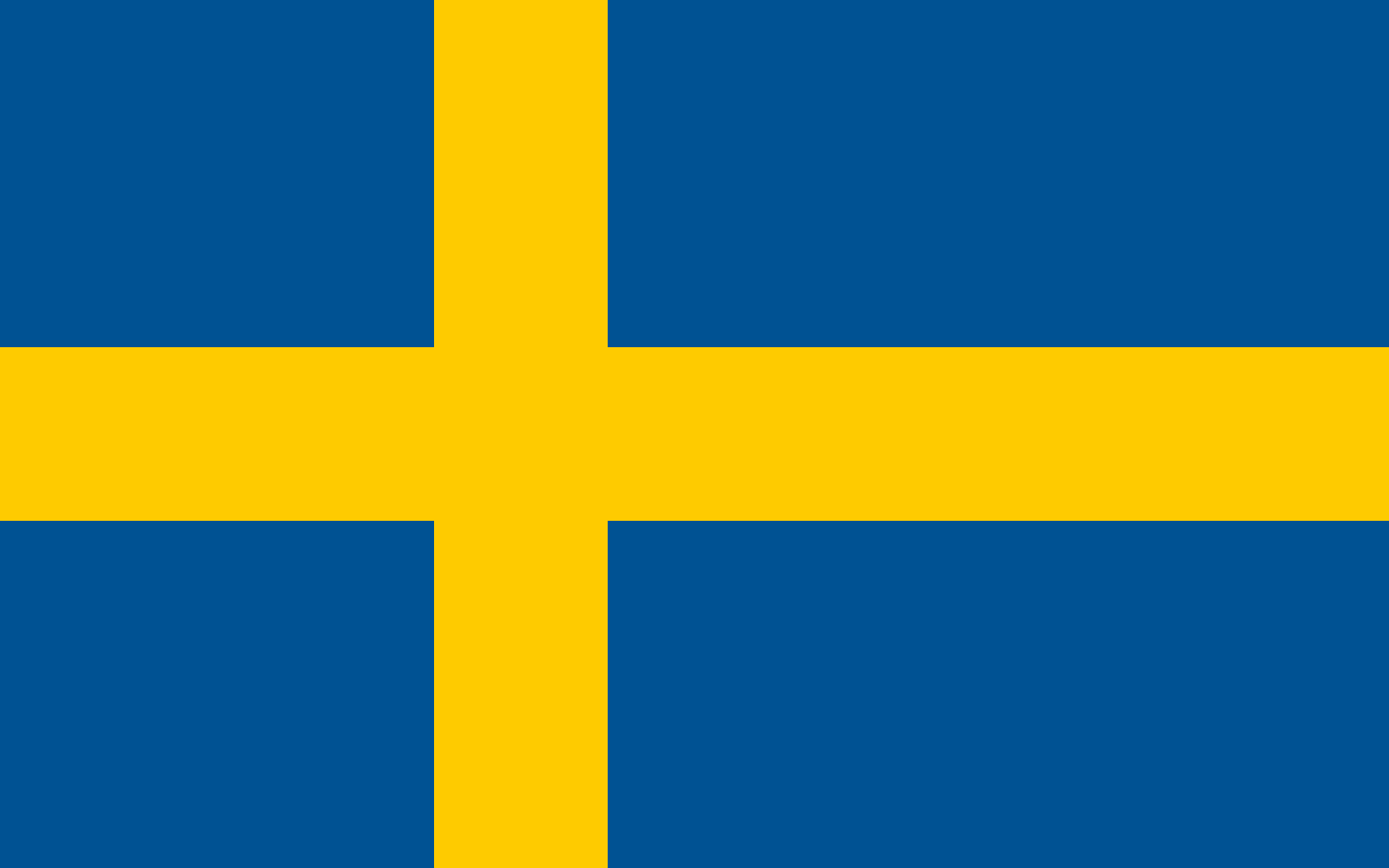
Regno di Svezia 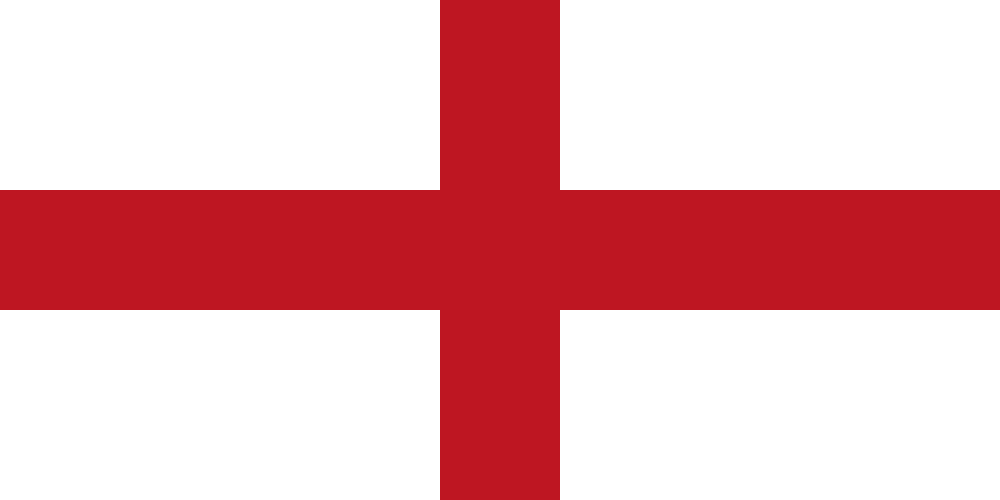
Repubblica di Genova 
Repubblica di Lucca 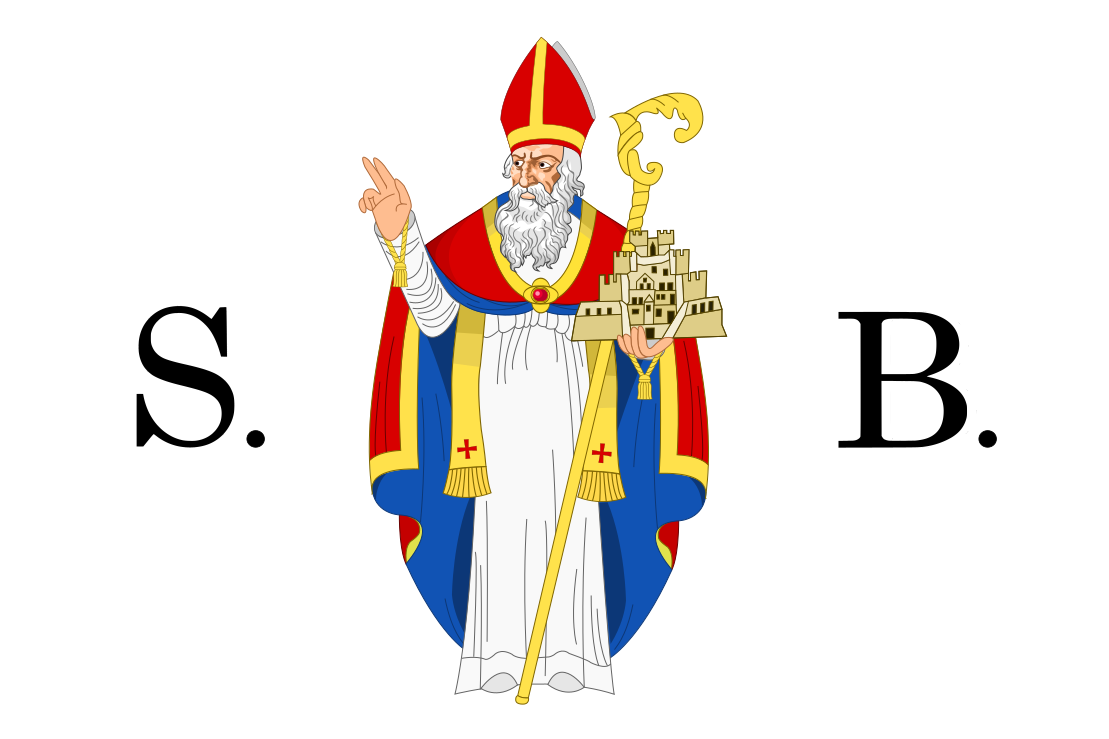
Repubblica di Ragusa 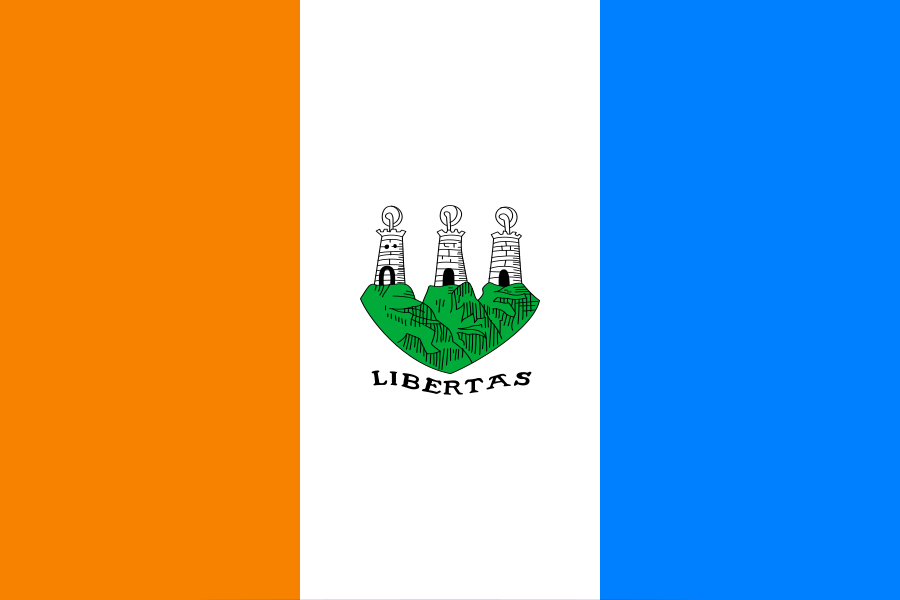
Repubblica di San Marino 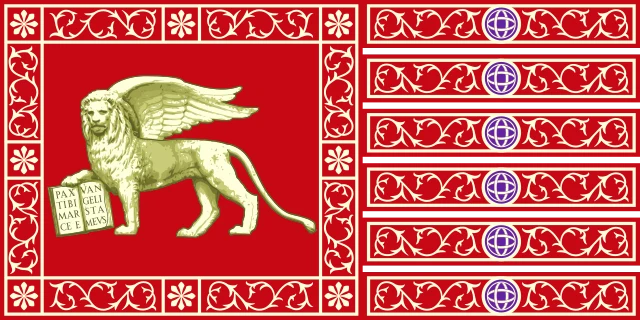
Repubblica di Venezia 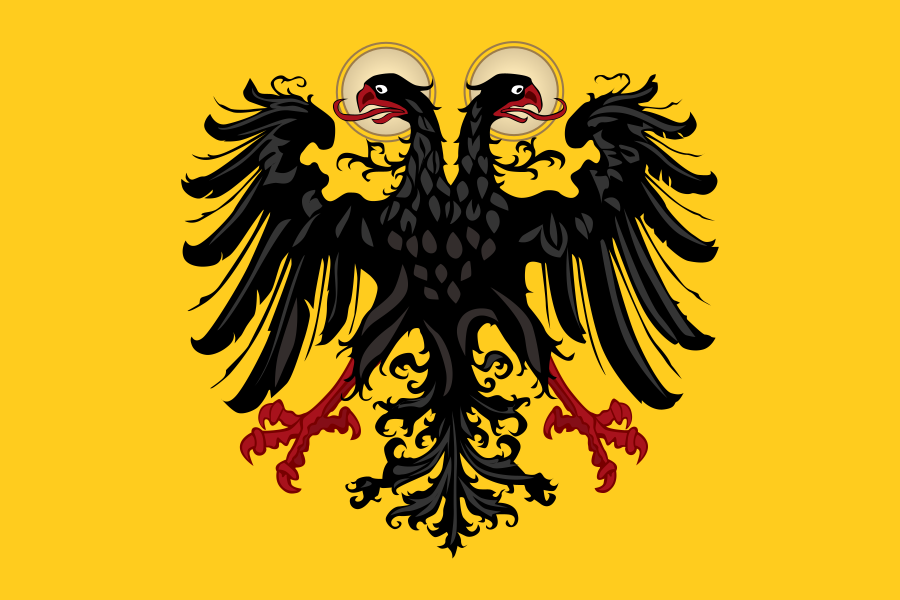
Sacro Romano Impero 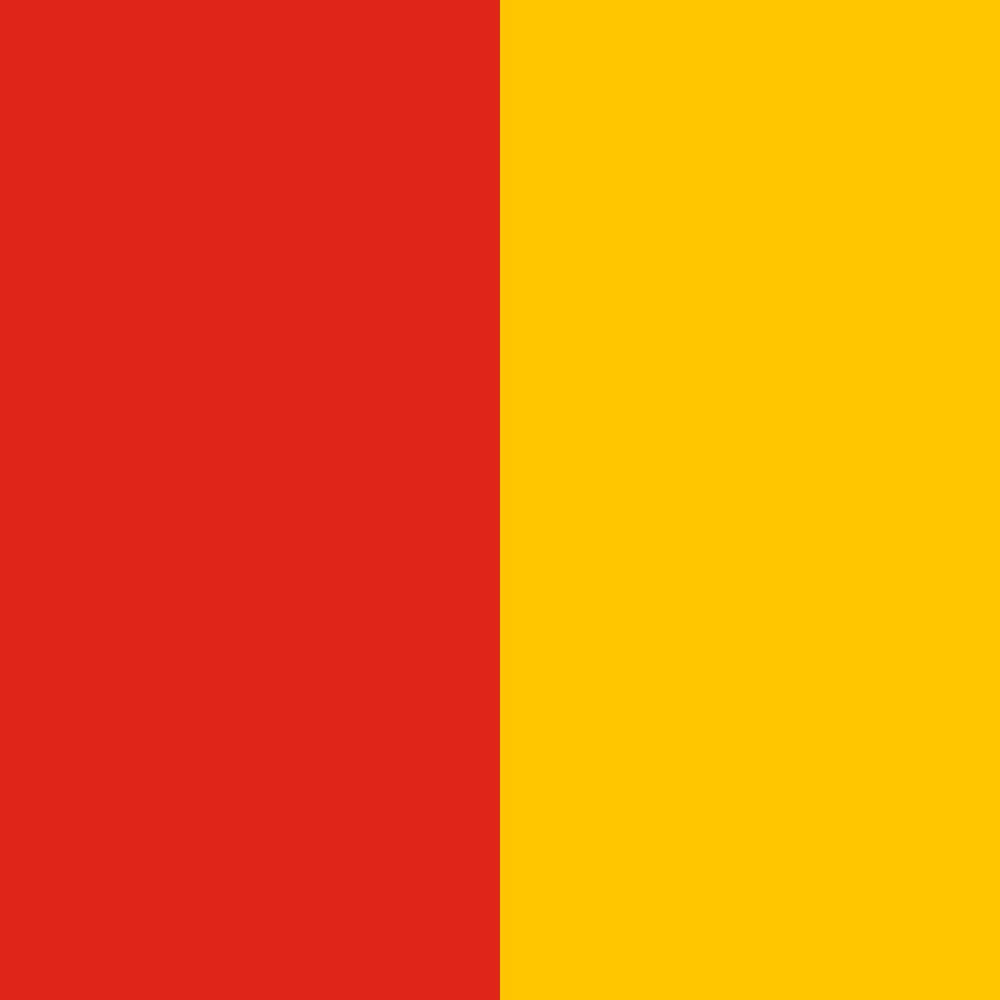
Stato Pontificio 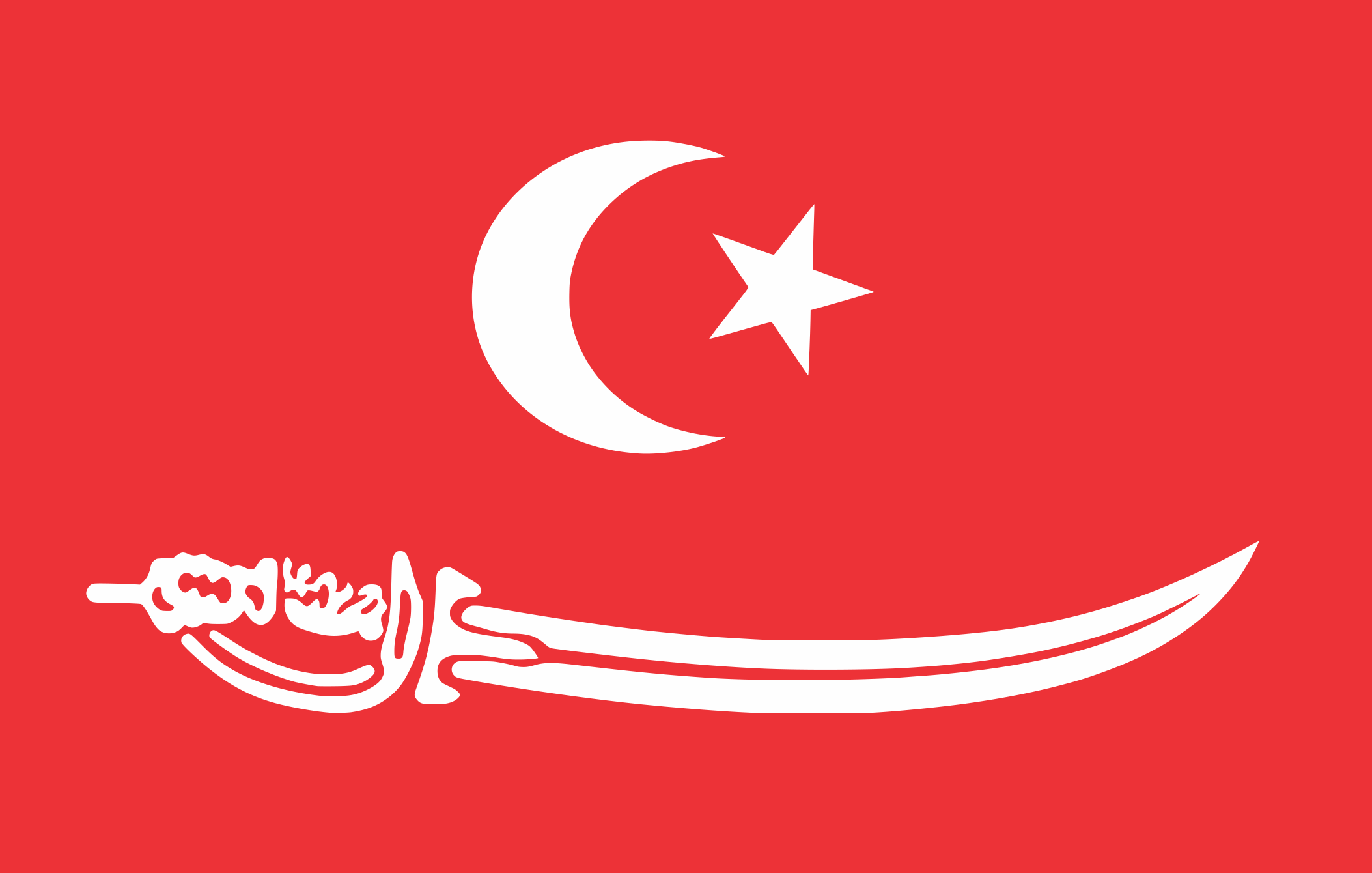
Sultanato di Aceh 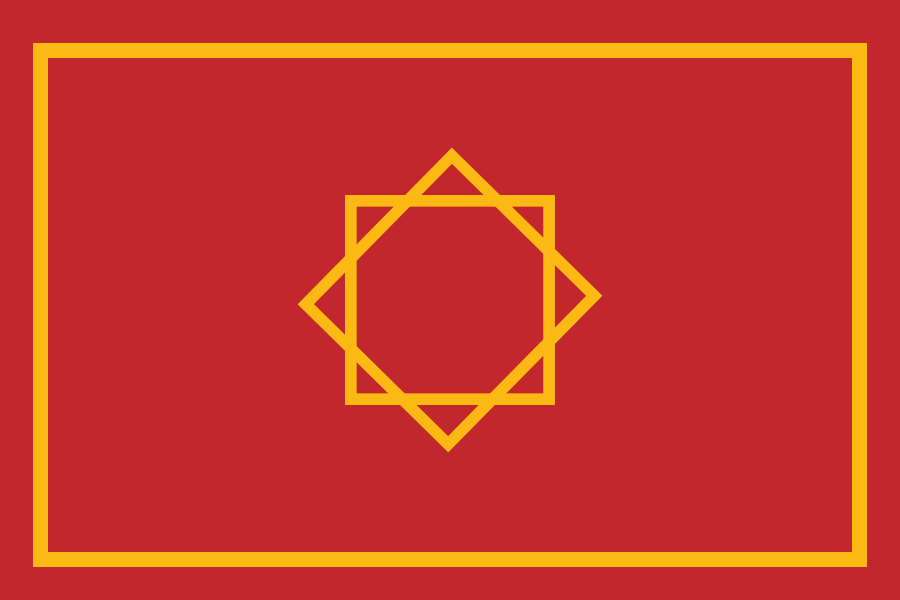
Sultanato saadiano del Marocco 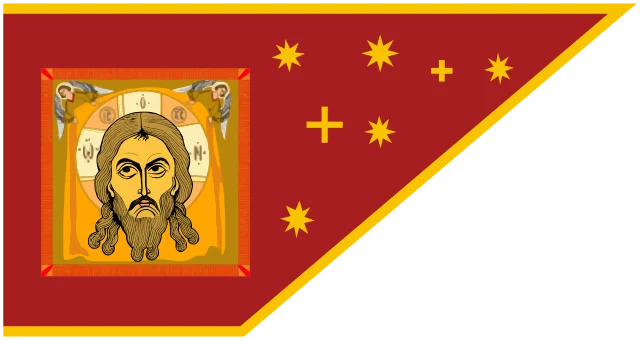
Zarato russo
Su queste bandiere
Gli Stati intorno al 1600, con l'Impero spagnolo al suo apice, e la bandiera o lo stendardo che usavano. Quasi nessuno Stato aveva allora una bandiera nazionale: molte sono stendardi reali o bandiere di guerra. Quelli senza una bandiera documentata (l'Etiopia, per esempio) non ci sono. Alcune sono approssimate:
- Monarchia spagnola: The Cross of Burgundy, flag of the tercios and the fleet of the empire; there was no national flag like today's.
- Regno di Francia: The royal standard (gold lilies on blue): France had no national flag.
- Sacro Romano Impero: The emperor's banner: the Empire was a patchwork of states, each with its own flags.
- Stato Pontificio: The red and yellow of Rome, used until 1808; the popes also flew their own standards.
- Regno di Svezia: The yellow cross on blue was already in use; its shape and shades were settled later.
- Confederazione polacco-lituana: The royal banner with Poland's eagle and Lithuania's knight; there was no national flag.
- Ducato di Prussia: A duchy under Polish suzerainty; flag reconstructed from its coat of arms.
- Zarato russo: Ivan the Terrible's banner of the Saviour (Kazan campaign, 1552), from his Illustrated Chronicle: the tsardom flew religious and military banners, with no single flag.
- Impero ottomano: One of the Ottoman flags of the 16th to 18th centuries; several were used.
- Khanato di Crimea: A vassal of the Ottoman Empire; flag with the tamga of the Giray dynasty.
- Repubblica di San Marino: A reconstruction of the flag used around 1465-1797; the colour of the last stripe (“alessandrino”) is read in several ways.
- Repubblica di Ragusa: Saint Blaise, patron of Ragusa (Dubrovnik), from the flags documented in 1804; the republic flew him earlier too.
- Sultanato saadiano del Marocco: War flag of the Marinid and Saadi dynasties (gold star on red); a white banner is also reported.
- Impero Kanem-Bornu: A flag attributed to the empire from travellers' accounts; it may not match 1600.
- Impero safavide: The lion and sun on green, one of the Safavid flags; there were several versions.
- Impero Moghul: The alam, the imperial standard; the empire had no national flag.
- Cina Ming: A modern design with the character 明 (Ming): the dynasty had no national flag, and Commons marks it as fictitious. It is included so that China has its place on the map.
- Giappone: The Tokugawa crest: they won Sekigahara in 1600 and founded the shogunate in 1603.
- Joseon (Corea): The king's standard; Joseon had no national flag until 1883.
- Regno di Ayutthaya: The plain red of Siamese ships, the most described one; there is no official flag of the time.
- Đại Việt: A standard attributed to the Later Lê dynasty; sources are scarce.
- Sultanato di Aceh: The sword and crescent on red, documented later; probably close to that of 1600.
Disegni da Wikimedia Commons, di pubblico dominio tranne: Regno di Francia (Sodacan, CC BY-SA 3.0) · Sacro Romano Impero (David Liuzzo, eagle by N3MO, CC BY-SA 3.0) · Granducato di Toscana (F l a n k e r, elements taken by: The Fleece Some elements of the fleur-de-lis, CC BY-SA 3.0) · Confederazione polacco-lituana (Samhanin, CC BY 3.0) · Zarato russo (Лобачев Владимир, CC BY-SA 3.0) · Repubblica di San Marino (HapHaxion, CC BY-SA 3.0) · Repubblica di Lucca (Dekodrak, CC BY-SA 4.0) · Repubblica di Ragusa (Facquis, CC BY-SA 4.0) · Impero Moghul (TRAJAN 117, CC BY-SA 3.0)
Domande rapide
Quali Stati c'erano intorno al 1600?
Mapicos raccoglie 33 Stati intorno al 1600 con una bandiera o uno stendardo noti, da Cina Ming a Zarato russo. La monarchia spagnola andava dalla Castiglia a Napoli, alle Fiandre, al Messico, al Perù e alle Filippine; il Portogallo condivideva il re ma conservava il suo impero.
Come imparare le bandiere del mondo nel 1600?
Giocando. Nella modalità apprendimento di Mapicos, ogni bandiera che sbagli torna finché non la indovini, e alla fine ripassi i tuoi errori. Quando le conosci, prova a trovarle sulla mappa.
Il quiz delle bandiere è gratis?
Sì. Si gioca gratis nel browser del telefono o del computer, senza download e senza registrazione.